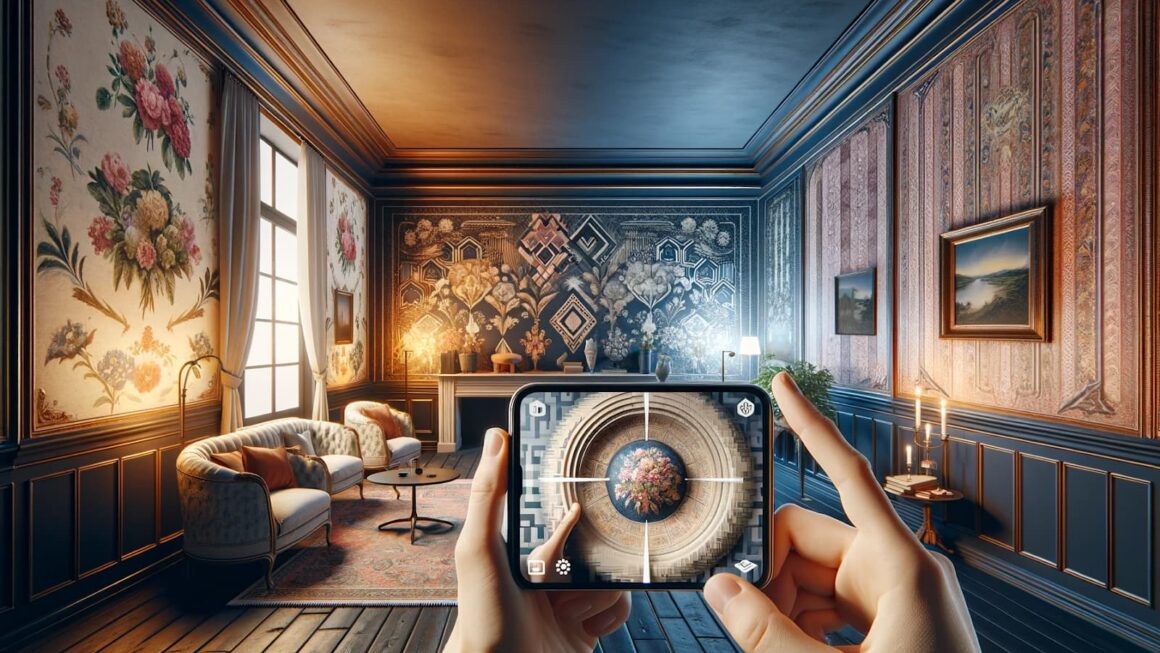
A home games room should feel different from the rest of the house, but that does not mean covering every surface with playing cards, dice, and neon signs.
Wallpaper can establish the mood, define a focal point, and make an ordinary spare room feel intentional. The key is to choose one visual direction and allow the furniture, lighting, and accessories to support it.
Choose the Mood Before the Pattern
Casino-inspired interiors can follow several visual directions. A classic room may combine deep green, burgundy, dark wood, and brass. A contemporary version might rely on charcoal, midnight blue, sharp lines, and indirect lighting.
Digital gaming platforms can also provide useful color inspiration. Pages such as https://pl.polskiesloty.com/spingreen-bonus-bez-depozytu/ demonstrate how green, dark backgrounds, bright accents, and strong visual contrast are used to guide attention. These ideas can be adapted for an interior without copying the appearance of a website.
Before selecting wallpaper, decide what kind of experience the room should create:
- relaxed evenings with friends;
- a cinematic poker-room atmosphere;
- a modern digital gaming space;
- a flexible room for games and conversation.
This decision makes pattern selection easier. Art Deco fans may prefer fan motifs, metallic lines, or repeated arches. A modern room can use abstract geometry or a finish resembling stone, fabric, or dark plaster.
Literal casino prints should be used carefully. Repeated cards, chips, or roulette wheels can quickly dominate the room and make future changes more difficult.
Build the Design Around One Feature Wall
A feature wall gives the interior a clear visual center. In a compact room, it can sit behind the main gaming table or media unit. In a larger space, it may help separate the gaming area from a quieter seating zone.
The remaining walls can be painted in a color taken from the wallpaper. This creates continuity while giving the eye somewhere to rest.
Pattern scale also matters. Large motifs work best when they can be viewed from a distance, while smaller patterns are often more suitable for narrow walls, alcoves, or rooms with several doors and windows.
Always test a wallpaper sample under the room’s actual lighting. A dark pattern may look rich and atmospheric in warm evening light but feel heavy during the day.
Create a Controlled Color Palette
Casino-inspired design often uses strong colors, but a room does not need every recognizable shade at once. A limited palette usually feels more sophisticated.
Green can appear through velvet chairs, cushions, or a table surface rather than covering every wall. Gold may be introduced through light fittings, frames, handles, or furniture edges. Black works well as a grounding color, although using it across a small room may make the space feel enclosed.
A balanced palette can include:
- one dominant wall color;
- one secondary upholstery color;
- one metallic or bright accent;
- one neutral shade for balance.

Let Lighting Change the Wallpaper
Wallpaper does not exist separately from lighting. Directional wall lights can reveal textured or embossed surfaces, while table and floor lamps create a calmer atmosphere around seating.
Avoid placing a strong spotlight directly in front of glossy wallpaper. Reflections may obscure the pattern and produce distracting bright areas. Metallic details usually look better when light approaches from the side.
Dimmable lighting is particularly useful in a games room. Brighter illumination may be needed during card or board games, while softer lighting creates a more relaxed mood afterward.
LED strips and screens can be included, but they should remain secondary. Too many visible light sources may compete with the wallpaper and make the room feel more commercial than comfortable.
Keep Decorative References Easy to Change
A themed room ages better when its identity comes from color, texture, and atmosphere instead of novelty objects. Playing cards, chips, framed posters, or vintage gaming accessories can still be displayed, but they should remain removable.
Wallpaper becomes the visual foundation, while artwork, textiles, and smaller decorations can change over time. This makes it possible to refresh the room without replacing the entire design.
The strongest result is not a direct copy of a casino floor. It is a comfortable home interior that borrows some of its drama while remaining practical, personal, and visually balanced.